
You may have an insurance valuation, an online estimate and a dealer offer for the same watch, all showing different amounts. Before deciding that one must be wrong, check what each figure is meant to tell you.
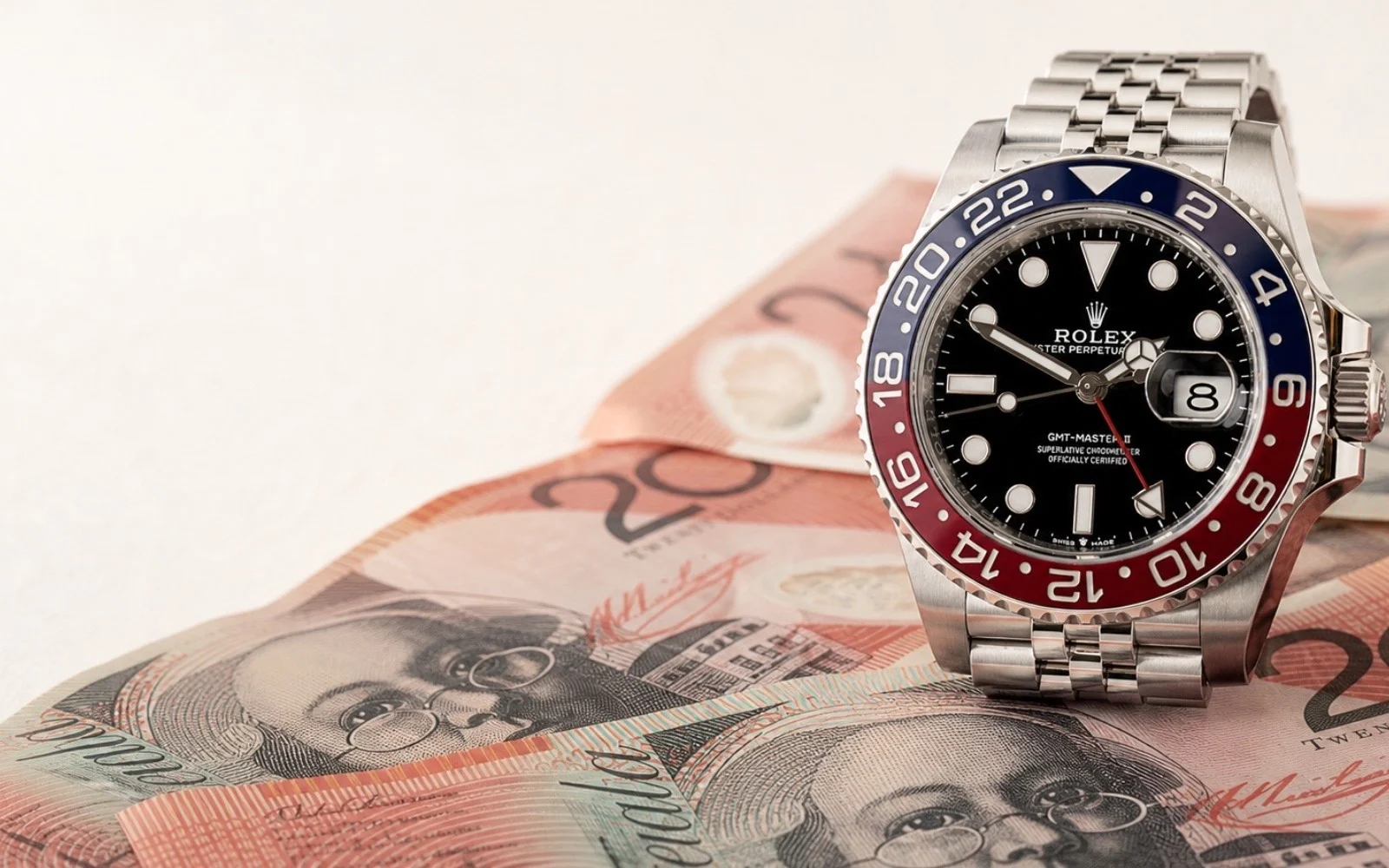
If your question is “How much is my watch worth if I sell it?”, the useful answer is the amount a buyer may actually pay for your particular watch, under clear conditions. A price printed on another listing is a starting point for research.
Put a name to each figure
An asking price is the amount a seller advertises. It does not show whether the watch has sold, whether the buyer negotiated, or whether the listing will remain unsold.
A valuation needs a stated purpose. The National Council of Jewellery Valuers explains that a valuation report identifies both its purpose and intended market. Different markets can produce different values.[1] Read that part of your document before using its headline number.
A purchase offer tells you what a particular buyer is prepared to pay, subject to its conditions. An estimate from photographs may still depend on an in-person inspection. Ask whether the number is indicative or an offer you can accept now, and what could change it.
Make sure the comparison is the same watch
A model name alone is not enough. Start with the reference, then look at the details that distinguish one example from another:
- Case material, size and approximate age.
- Dial, bezel and bracelet configuration.
- Condition, including visible wear and disclosed restoration.
- Service history and known replacement parts.
- Box, guarantee documents, spare links and other accessories.
Do not quietly fill in missing information. If another seller provides no service history or clear condition photographs, you have an incomplete comparison.
Also check the currency and location. An overseas price may involve delivery and import costs for an Australian buyer. A dealer listing may include after-sale support that is absent from a private transaction. These differences matter when comparing the advertised offer as a whole.
What can an online watch estimate tell you?
Check how the tool produces its figure. Chrono24, for example, explains that its valuation tool compares listings and provides an estimated average and range. It also notes that condition and accessories can change the price.[2]
That can help you identify a starting range and find comparable watches. It is not a commitment by the platform or a dealer to buy yours for that amount.
Keep the useful comparisons and note when you checked them. Ask whether the data represents advertised listings or completed transactions. If that is unclear, do not treat the figure as evidence of a completed sale.
Why your insurance value may be different
Insurance is concerned with the cover defined by the policy. For example, Q Report describes its watch cover in terms of like-for-like repair or replacement and says the sum insured may differ from market value when a claim is made.[3] Your own policy and valuation may use a different basis.
An insurance document can help identify the watch, but its amount is not a buyer’s offer. If you need an updated insurance valuation, say that when arranging it. If you want to sell, ask what a purchaser would pay for the watch now. Those requests answer different questions.
Read the conditions behind a dealer offer
Ask what inspection has been completed, whether the figure is final, and whether any costs remain to be deducted. If a lower offer follows inspection, request an explanation of the findings rather than comparing numbers alone.
Watch Collector assesses condition, reference and the current market case by case. We discuss outright purchase and consignment, and explain revised options if the physical inspection changes our assessment.[4]
To start that conversation, send us your watch’s details, including the records and accessories you have. Mention any existing valuation and what it was prepared for.
Decide which answer you need
For an outright sale, clarify the amount you would receive, payment arrangements and any remaining conditions. For consignment, clarify the proposed asking price, fees, possible preparation costs and what happens if it does not sell. A proposed consignment return depends on a future sale.
Keep those figures separate when comparing options. Choose on the terms you understand and the amount you would keep, with a clear view of any work or waiting involved.